Solar Energy for U.S. Homeowners: Real Facts in 2026
U.S. electricity bills rose in 44 out of 50 states between 2021 and 2024. That number comes straight from the U.S. Energy Information Administration. If your monthly power bill has climbed over the past few years, you are not imagining it, and you are not alone.
My name is Morgan Lee. I went through the process of researching and installing rooftop solar on my own home. I built this site because I could not find honest solar information that was not connected to someone trying to sell me something. Every page here is written to give you real facts. Not a pitch.
What Does Solar Actually Cost a U.S. Homeowner in 2026?
This is the first question most homeowners ask. It deserves a direct answer.
The average residential solar system in the U.S. runs between $18,000 and $25,000 before any incentives apply. System size is the biggest variable. A smaller home using 800 kWh per month needs a different system than a larger home using 1,400 kWh per month.
The federal Investment Tax Credit changes that number significantly. It gives you 30% of your total system cost back as a credit against your federal taxes. On a $22,000 system, that is $6,600 back. Your net cost drops to $15,400 before any state programs apply.
A homeowner in Denver, Colorado, paying $130 per month to Xcel Energy, installs an 8kW system. With 5.5 peak sun hours per day, that system produces roughly 12,000 kWh per year. At Colorado’s average rate of 13 cents per kWh, it offsets about $1,560 per year in electricity costs. Payback typically runs 9 to 11 years in Colorado. After that, you run on very low-cost electricity for another 14 to 16 years.
In high-rate states like Massachusetts, California, and Connecticut, electricity costs 20 to 30 cents per kWh. Savings are higher there, and the payback period is shorter. In lower-rate states like Kansas, Tennessee, and Indiana, the math still works. It just takes a few more years.
For a full state-by-state cost breakdown, the solar panel cost for U.S. homes in 2026 page covers current pricing honestly with real numbers.
How Solar Panels Actually Work on a U.S. Home
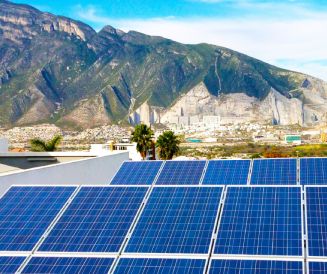
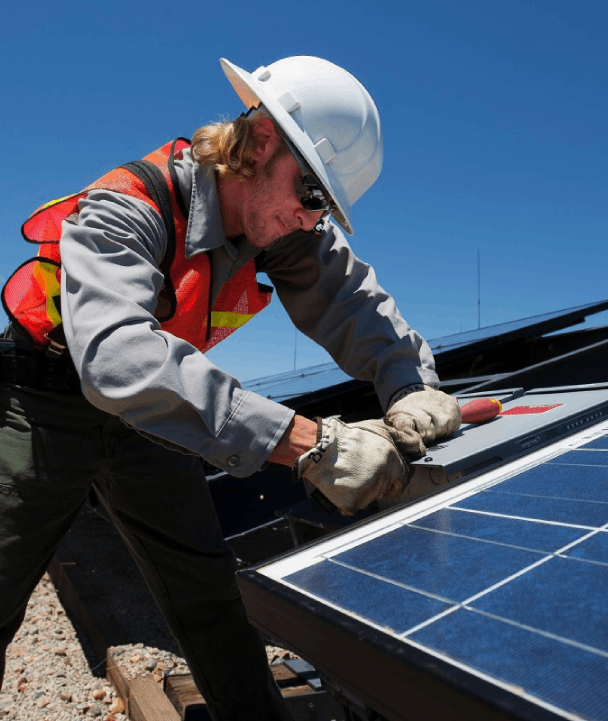
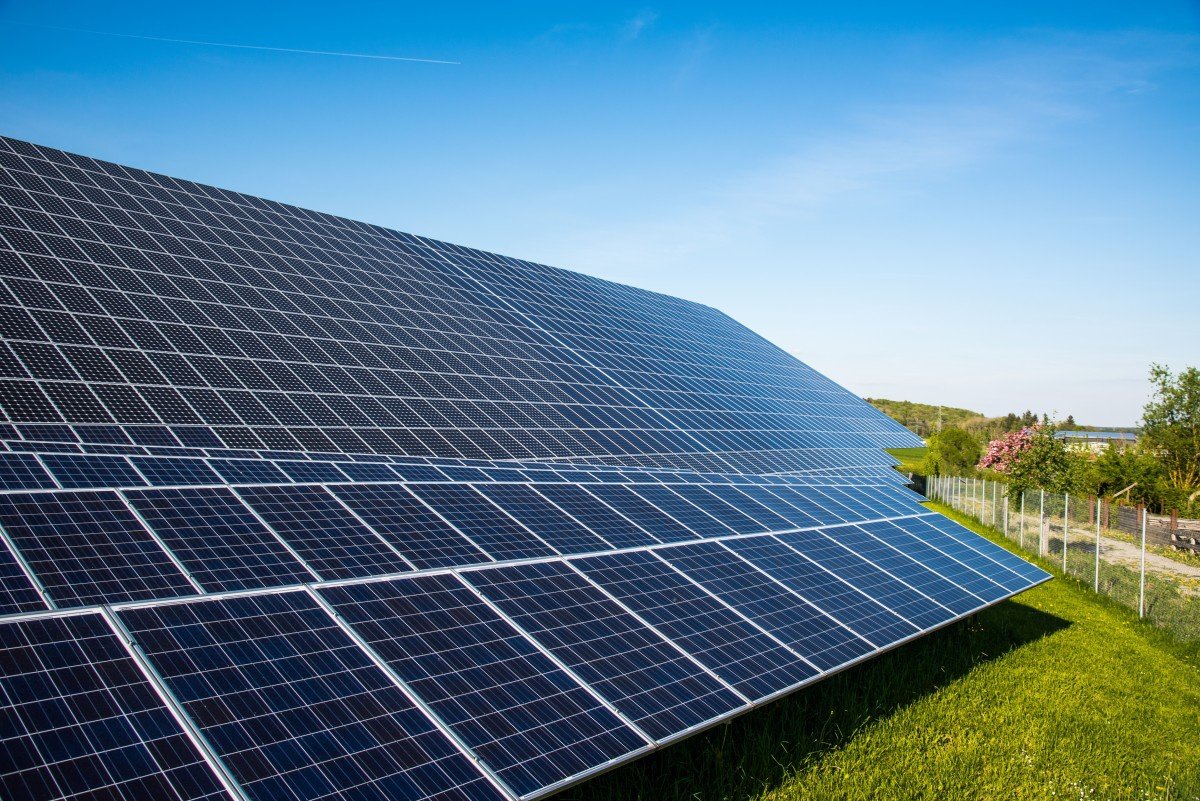
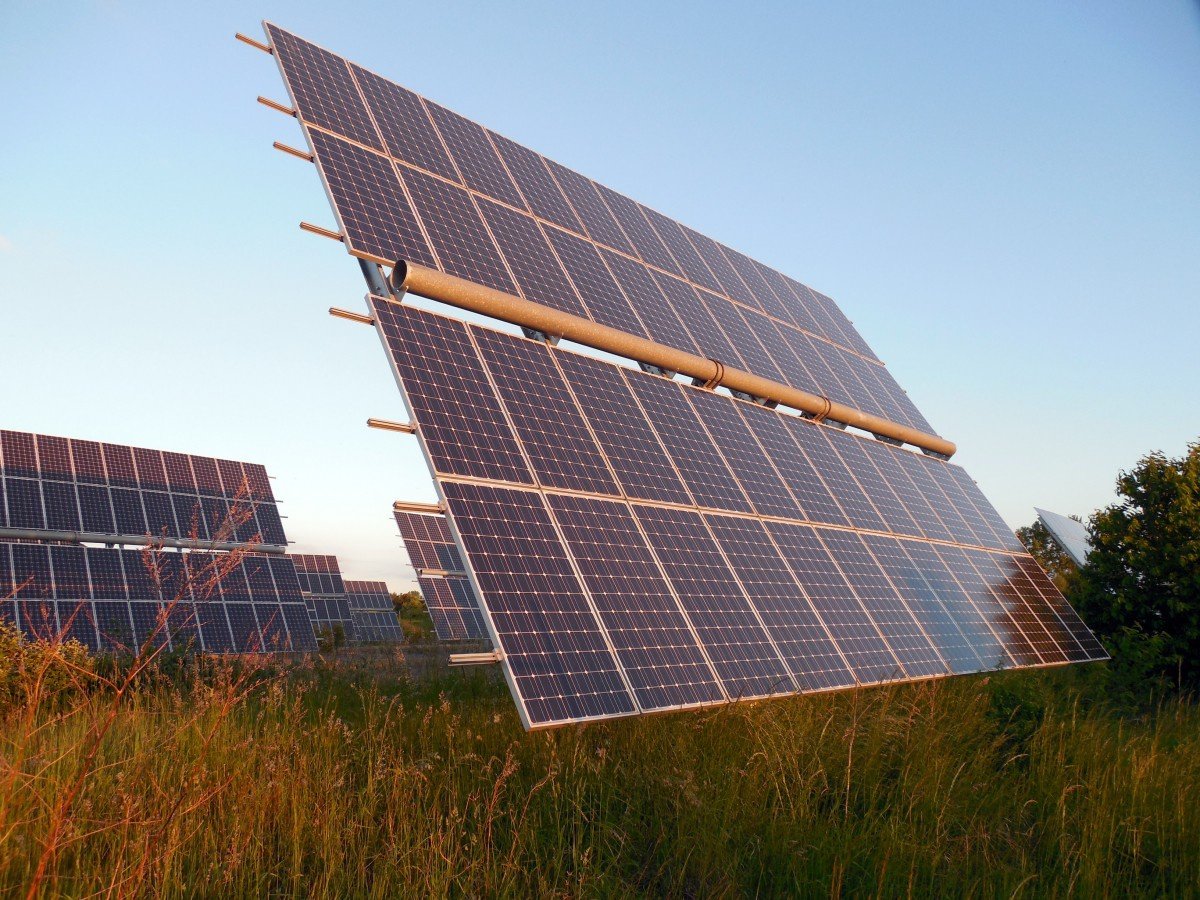
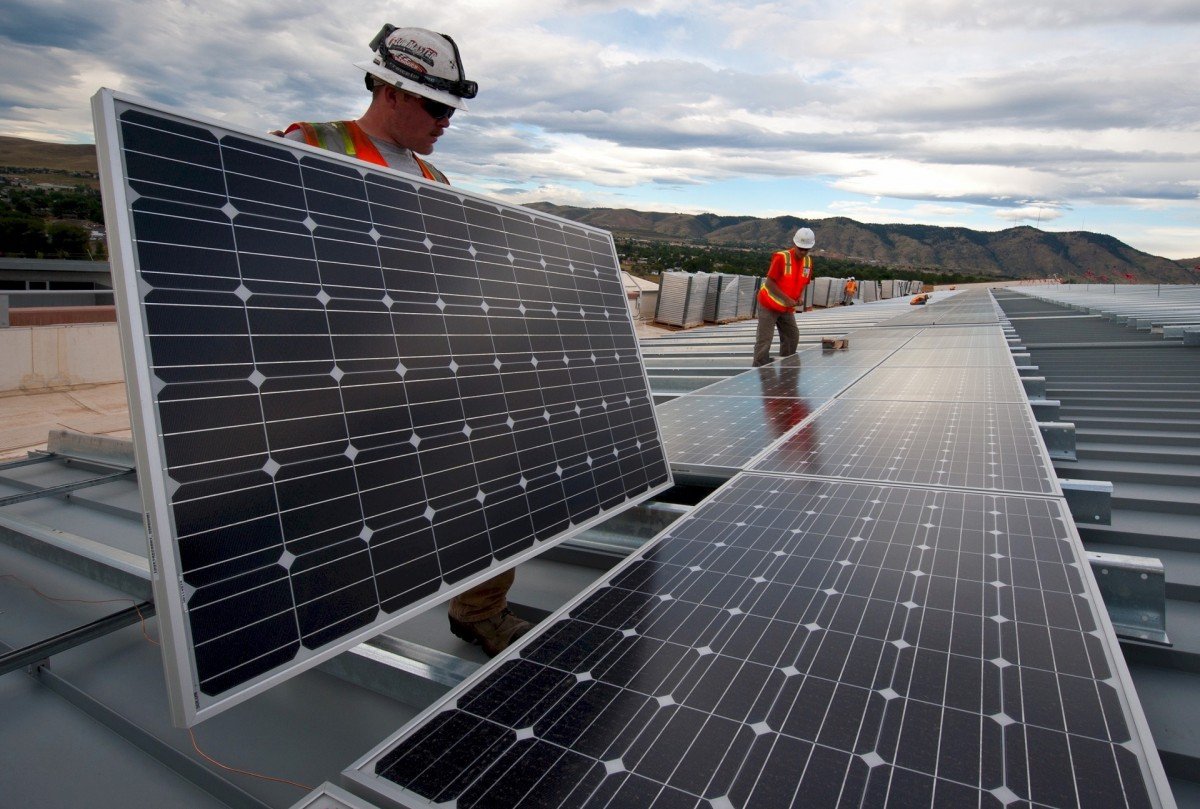
Solar panels capture sunlight and convert it into direct current electricity. An inverter in your home converts that into the alternating current your appliances use. The whole process happens automatically every daylight hour.
Panels power your home first. Extra production goes to the grid. States with net metering include Virginia, New Jersey, Massachusetts, Colorado, and California. Your utility credits that surplus against evening usage. The result is a smaller monthly bill.
On cloudy days, your panels produce less. They do not stop. They slow down. A system in Boston still produces enough electricity to meaningfully cut an Eversource bill. Boston averages 4.2 peak sun hours per day. That is enough because Massachusetts electricity rates run above 22 cents per kWh. High rates mean every kWh your panels produce saves you more.
For a full walkthrough of how the process works from sunlight to your outlet, how solar power works step by step explains it in plain language.
What Solar Incentives Are Available to U.S. Homeowners Right Now?

The Federal Investment Tax Credit, 30% through 2032. This is the biggest incentive available to U.S. homeowners. It is locked at 30% through 2032 under the Inflation Reduction Act. It applies to every homeowner who owns their system and owes federal income taxes. On a $20,000 system, that is $6,000 back against your tax bill — not a deduction, a credit.
State tax credits. Some states layer more credits on top of the federal 30%. New York offers a 25% state credit up to $5,000. Massachusetts offers a 15% state credit. Arizona offers 25% up to $1,000. These stack directly on top of the federal credit.
Property tax exemptions. Most states exempt the added home value from solar from your property assessment. If your system adds $15,000 to your home’s value, your property taxes do not go up. Virginia, New Jersey, Colorado, Florida, and Kansas all have this exemption.
Sales tax exemptions. Several states remove sales tax from solar equipment purchases. New Jersey, Florida, and Arizona offer full sales tax exemptions. On a $22,000 system in New Jersey with a 6.6% sales tax rate, that saves you roughly $1,452 upfront.
Utility rebates. Some utilities pay direct rebates for installing solar, or for the electricity your panels send to the grid. These vary by utility, not just by state. Your specific utility determines what you receive.
Want to know who qualifies and what each program covers? The who is eligible for solar incentives in the USA article breaks down every condition clearly and honestly.
Is Solar Worth It for Your Home? The Honest Answer
Solar is not the right decision for every home. Saying otherwise would not be honest.
When solar works well. You own your home. You plan to stay for at least 7 to 10 years. Your roof faces south or west with minimal shading. Your monthly electricity bill runs above $100. Your state has active net metering.
When solar is harder to justify. You plan to move within 4 to 5 years. Your roof faces north and sits under significant tree shade. Your utility rate is below 10 cents per kWh. Your HOA limits panel placement to rear-facing roof sections only.
The federal 30% credit changes the math in every case. It reduces your upfront cost by nearly a third. But it does not make a bad-fit home into a good-fit home.
What surprised me when I went through this process was how much location and roof direction matter. Brand and panel efficiency matter less than most homeowners think. A south-facing roof in Denver with a mediocre panel beats a north-facing roof in the same city with a premium panel every single time.
Want a full analysis of whether solar makes sense for your specific home? The are solar panels worth it in the USA article walks through every factor honestly and clearly.
How Much Can Solar Save on Your U.S. Electricity Bill?

Your savings depend on four things. Your electricity rate. Your daily sun hours. Your system size. And your utility’s net metering policy.
Here is what realistic annual savings look like across five major U.S. cities for a standard 8kW system:
| City | Avg Sun Hours/Day | State Rate (¢/kWh) | Est. Annual Savings | Key Notes |
| Phoenix, AZ | 6.5 | 13¢ | $1,500 – $1,900 | APS territory, the highest sun in the U.S. |
| Los Angeles, CA | 5.6 | 28¢ | $2,400 – $3,000 | SCE/LADWP high rates drive top savings |
| Boston, MA | 4.2 | 22¢ | $1,600 – $2,100 | Lower sun offset by very high Eversource rates |
| Denver, CO | 5.5 | 13¢ | $1,200 – $1,560 | Xcel Energy has strong net metering |
| Wichita, KS | 4.7 | 13¢ | $900 – $1,200 | Evergy territory, no state tax credit |
These estimates use state average electricity rates for 2026. They assume a system sized for average household usage. Your actual savings depend on your specific home, roof, and utility.
Want a detailed monthly breakdown of what savings look like in your state? The How Much Solar Panels Save Per Year in the USA article covers real numbers by state and system size.
What Topics Does This Site Cover?
Every page on this site covers one specific solar question — answered honestly with real data. No installer relationships. No lead generation. No sponsored content.
Here is what U.S. homeowners read most on this site:
Costs and savings are covered across four articles. The average solar panel cost in the USA covers baseline pricing. The hidden solar costs most homeowners miss cover what installers often leave out. The solar costs after incentives show what you actually pay after credits apply. The solar payback period by state breaks down how long it takes to break even in your state.
Incentives: Federal solar tax credit explained ·Is net metering worth it ·Are solar incentives taxable
Safety and facts: Are solar panels safe for your home, Do solar panels emit radiation, Can solar panels cause fire, Common myths about solar panels
Installation: How long solar installation takes ,Types of solar panels guide ·Solar installation guide for U.S. homes
Browse everything on the SolarInfoPath Blogs page.
What Makes Solar Panels Safe: And What to Watch For

Modern solar panels are safe for residential rooftops. That is the honest starting point.
The main safety questions homeowners ask are about roof load, electrical risk, and radiation. Here is the short answer on each.
Roof load. A standard residential panel weighs 40 to 50 pounds. A full 8kW system adds roughly 400 to 500 pounds across your entire roof surface. That is about 2 to 4 pounds per square foot. Most U.S. residential roofs handle 20 pounds per square foot or more. A structural assessment confirms your specific roof’s capacity before installation.
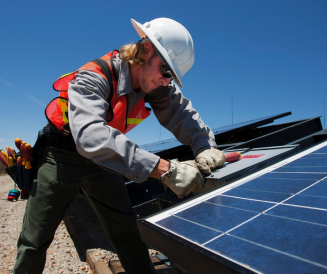
Electrical risk. Solar systems produce DC electricity at high voltage during daylight hours. Panels cannot be switched off at the panel level. Licensed electricians install rapid shutdown systems on every new rooftop solar installation. The National Electrical Code has required this since 2017. These systems allow emergency responders to de-energize rooftop panels quickly and safely.
Radiation. Solar panels produce a small electromagnetic field. The inverter produces a slightly stronger one. Sitting in your living room below a rooftop solar system puts you at field levels well below what the WHO and EPA consider safe. Normal household distances reduce exposure significantly. It compares to what a standard refrigerator produces. The concern is real enough to be worth knowing about. The risk at normal distances is not significant based on current evidence.
For the full breakdown of solar panel safety for U.S. homes, are solar panels safe covers each risk honestly with real data.
About Morgan Lee and This Site
I am Morgan Lee. I installed solar on my own home and spent months trying to find honest information that was not connected to someone trying to sell me something. That experience is why this site exists.
Every page on this site is written to answer one question clearly, with real data, real dollar numbers, and honest limitations included. I do not work with solar installers. I do not generate leads. I do not accept sponsored content. What I write is what I actually found through research and my own experience.
If you have a question this site does not yet answer, the contact page is the right place to send it.